Exposure of an Impacted Tooth
Exposure of an Impacted Tooth
An impacted tooth has failed to erupt through the gum on its own. Surgical exposure allows the tooth to be guided into its correct position. At Lake Country Oral & Maxillofacial Surgery in Pewaukee, our board-certified surgeons perform this procedure with precision and care. This page covers what to expect after surgery and how to recover well.
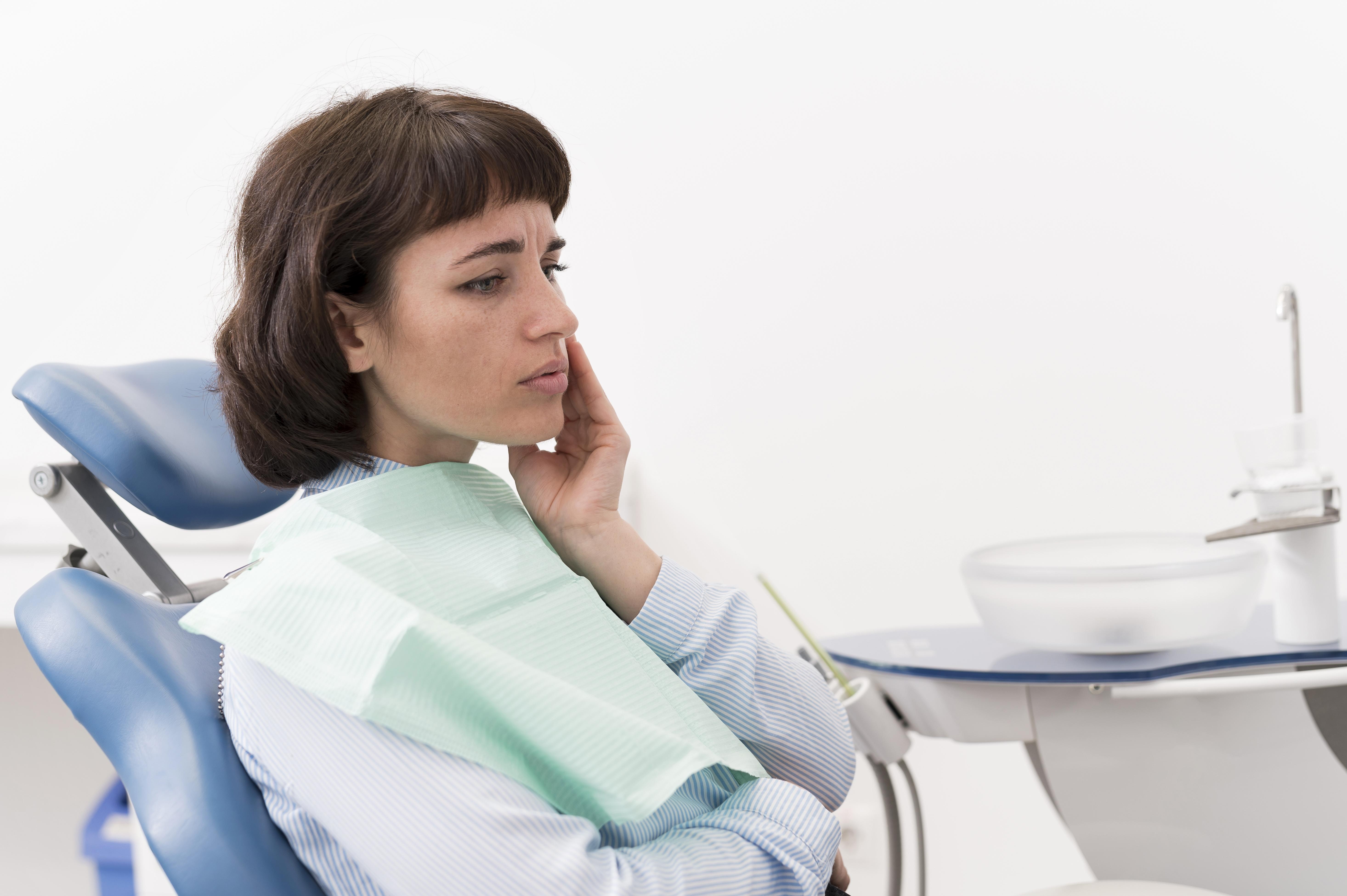
After Exposure of an Impacted Tooth: What to Expect
This procedure involves removing gum tissue over the impacted tooth. A surgical bracket or button is often bonded to the exposed tooth surface. Your orthodontist will later attach a chain to guide the tooth into alignment. The recovery is generally mild, but the surgical site needs careful attention.
Immediately After Surgery
Some bleeding, swelling, and discomfort are normal after this procedure. Do not disturb the wound or any surgical packing that was placed. The packing helps keep the impacted tooth exposed. Leave it in place. If packing falls out, contact our office for instructions.
Healing Timeline
Days 1–3: Swelling and tenderness are most noticeable.
Days 3–7: Discomfort typically begins to subside.
Weeks 1–2: Gum tissue continues healing.
Weeks 2 and beyond: Orthodontic guidance continues based on your treatment plan.
Post-Op Symptoms and Care
Managing Pain and Swelling
Begin pain medication as soon as the local anesthetic starts to wear off. For moderate pain, one or two tablets of Tylenol or Extra Strength Tylenol may be taken every 3-4 hours. Ibuprofen (Advil or Motrin) may be taken instead of Tylenol. Ibuprofen bought over the counter comes in 200 mg tablets: 2-3 tablets may be taken four times daily, not to exceed 3200mg daily for an adult. Consult our practice for individuals under 18. Do not take the two medications at the same time.
For severe pain, take prescribed medication exactly as directed.
Pain or discomfort following surgery should subside more and more every day. If pain persists, it may require attention and you should call the office.
Apply an ice pack to the cheek as much as possible for the first 36 hours.
Protecting the Surgical Site
Do not touch or probe the bracket or surgical site with your tongue.
Avoid straws, spitting, and vigorous rinsing for the first 24 hours.
Do not smoke or use tobacco.
Keep physical activity to a minimum immediately after surgery.
Eating and Drinking
Drink plenty of fluids. Avoid hot liquids on the day of surgery. Stick to soft foods and liquids on the day of your procedure. Return to a normal diet as soon as you feel comfortable doing so.
Oral Hygiene
Clean your mouth thoroughly after each meal, starting the day after surgery. Brush your teeth normally if possible, avoiding direct contact with the wound. Rinse with warm salt water six times a day until healing is complete.
FAQs About Impacted Tooth Exposure
What is surgical exposure of an impacted tooth?
It is a procedure to uncover a tooth that has not erupted through the gum. The oral surgeon removes gum tissue and may bond a bracket to the tooth. Your orthodontist then uses that attachment to help guide the tooth into proper alignment.
How long does recovery take after an impacted tooth exposure in Pewaukee?
Most patients feel significantly better within several days. Gum tissue healing continues over the following one to two weeks, while orthodontic movement happens over a longer period.
Will I be sedated for the procedure?
Sedation options may be available depending on the procedure and treatment plan.
What happens if the bracket comes loose after surgery?
If the bracket feels loose or detaches, contact the office for guidance.
Do I need to see both an oral surgeon and an orthodontist?
Yes. Surgical exposure and orthodontic guidance are typically coordinated as part of treatment.
Is impacted tooth exposure covered by insurance in Pewaukee?
Coverage varies depending on your dental and medical insurance plans.